by The Open University
Available in 42 free installments
Owner:
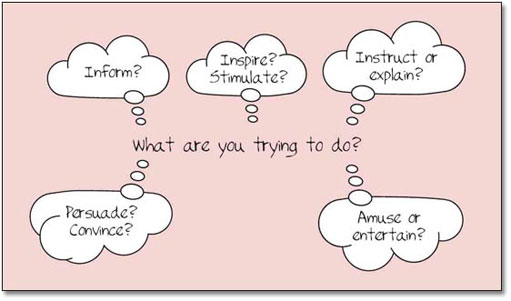 Figure 2: Some reasons why we give presentationsLong description
Try to choose a purpose from those shown in Figure 2 for each of the types of presentation listed below. You will probably be able to think of several, as some types of presentations have multiple motives:
a sales presentation at a conference
a training session at your workplace on a new computer system
an after-dinner speech at a retirement party
a formal presentation about your specialist project/subject/hobby
an interview for a new job
to summarise an activity at a tutorial or a day school.
You may have found some of the choices difficult, while others may have been fairly straightforward (e.g. the sales conference). And others may have been a combination of choices. The question implies that there will probably be more than one purpose, but there will be one which is more important than the others.
The main purpose of the sales conference would be to persuade or convince the participants about your product or service (though there would be an element of informing them about the latest widgets on offer).
A training session at your workplace on a new computer system would mainly involve passing on information about the system. There would be an element of instruction or explanation as well, which might be almost as significant. You would probably want to persuade your staff that the new computer system was beneficial.
A retirement after-dinner speech would most likely want to amuse or entertain, but might be informative as well.
The formal presentation about your project is in a different league though. Although you may want to make it amusing in parts to lighten the mood, the main thrust of the presentation should be to inform the audience about your project: what it is all about, what you did, and the conclusions you came to. Explanation and instruction could also come into the presentation, depending on the nature of your project, subject or hobby speciality.
An interview for a new job would have some of the features of a sales conference as you are trying to ?sell? your skills. At the same time, you are trying to inform the interviewer about yourself, and inspire them to want to employ you. Although you'll want to be relaxed, this is a formal occasion. The setting should allow both parties to find out whether you meet the job specification, and also whether you will fit into the working environment.
On some academic courses you may be asked to present results based on small-group work from tutorials or day schools. Some university project courses require a more formal presentation where you describe a detailed project you've worked on.
