Note on the Author
From 1929 to 1941, Mr. Forsey served as a lecturer
arisse
in economics and political science at McGill.
c Car
ean-M
In 1942, he became director of research for the
o: J
Canadian Congress of Labour (CCL), a post he
Phot
held for 14 years. From 1956 to 1966, he served
as director of research for the CCL?s successor,
the Canadian Labour Congress, and from 1966
to 1969, as director of a special project marking
Canada?s centennial, a history of Canadian
unions from 1812 to 1902.
During most of his union career, he taught
Canadian government at Carleton University
in Ottawa and, later, Canadian government
and Canadian labour history at the University
of Waterloo. From 1973 to 1977, he served as
chancellor of Trent University.
Mr. Forsey ran for public offi
ce four times for
the Co-operative Commonwealth Federation
(CCF). In the 1930s, he helped draft the Regina
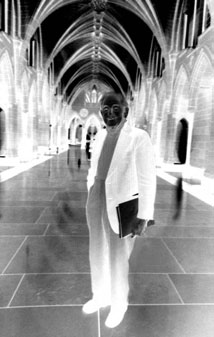
The Honourable Eugene A. Forsey, 1904?91
Manifesto, the CCF?s founding declaration of
policy.
The Honourable Eugene A. Forsey was widely
Mr. Forsey was appointed to the Senate in 1970.
regarded as one of Canada?s foremost experts
He retired in 1979 at the mandatory retirement
on the country?s Constitution.
age of 75, and in 1985 was named to the Privy
Council. In 1988, he was named a Companion
Born in Grand Bank, Newfoundland, he
of the Order of Canada, the highest level
attended McGill University in Montreal and
of membership. The Honourable Eugene
studied at Britain?s Oxford University as a
A. Forsey died on February 20, 1991, leaving
Rhodes Scholar. In addition to his PhD, he also
Canadians a rich legacy of knowledge of how
received numerous honorary degrees.
we are governed.
Note on the Author
iii
How Canadians Govern Themselves
Table of Contents
Preface ........................................................................................................................................................... i Note on the Author .....................................................................................................................................iii Introduction .................................................................................................................................................
Parliamentary Government .........................................................................................................................
Its
Origins ..............................................................................................................................................
How It Operates ....................................................................................................................................
A Federal State .............................................................................................................................................
Our
Constitution ...................................................................................................................................