What Goes On in Parliament
43
How Canadians Govern Themselves
Committees, sitting under less formal rules
become law (become an act) unless it has been
than the House, examine bills clause by clause.
passed in identical form by both houses and has
Each clause has to be passed. Any member
been assented to, in the Queen?s name, by the
of the committee can move amendments.
Governor General or a deputy of the Governor
When all the clauses have been dealt with, the
General (usually a Supreme Court judge).
chairperson reports the bill to the House with
Assent has never been refused to a federal bill,
any amendments that have been adopted.
and our fi rst prime minister declared roundly
that refusal was obsolete and had become
When a committee has reported the bill to
unconstitutional. In Britain, Royal Assent has
the House, members at this ?report stage?
never been refused since 1707.
may move amendments to the various clauses
(usually, amendments they have not had the
There are some 20 or more standing committees
opportunity to propose in committee). When
(Agriculture and Agri-Food, Canadian Heritage,
these have been passed, or rejected, the bill
Veterans Aff airs, and so on) whose members
goes to third reading. If the motion for third
are appointed at the beginning of each session
reading carries, the bill goes to the Senate,
or in September of each year, to oversee the
where it goes through much the same process.
work of government departments, to review
Bills initiated in the Senate and passed there
particular areas of federal policy, to exercise
come to the Commons, and go through the
procedural and administrative responsibilities
same stages as Commons bills. No bill can
related to Parliament, to consider matters
ommission
ourism CT
anadian
o: C
Phot
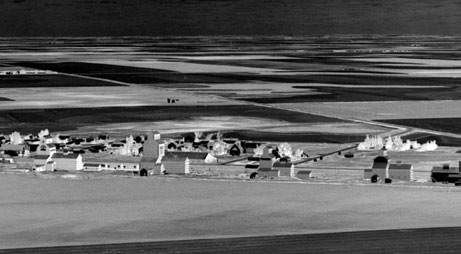
Both Senate and House of Commons committees discuss issues around agriculture and agri-food.
44
What Goes On in Parliament
referred to them by the House, and to report
their fi ndings and proposals to the House for its
consideration.
Included in the work of standing committees is
the consideration of the government?s spending
Estimates. The Standing Orders provide for
these Estimates to be sent to the committees
for review.
Finally, standing committees are designated as
having certain matters permanently referred
to them (such as reports tabled in the House
pursuant to a statute, and the annual report
of certain Crown corporations). Each of these
automatic Orders of Reference is permanently
before the committees, and may be considered
and reported on as the committees deem
appropriate.
The House of Commons can, and does, set
up special committees for the examination
of particular subjects, including legislative
committees whose mandate is solely to
examine a particular piece of legislation. It also
establishes, with the Senate, joint committees
of the two houses.